


 (260) 486-4400
 (260) 486-4400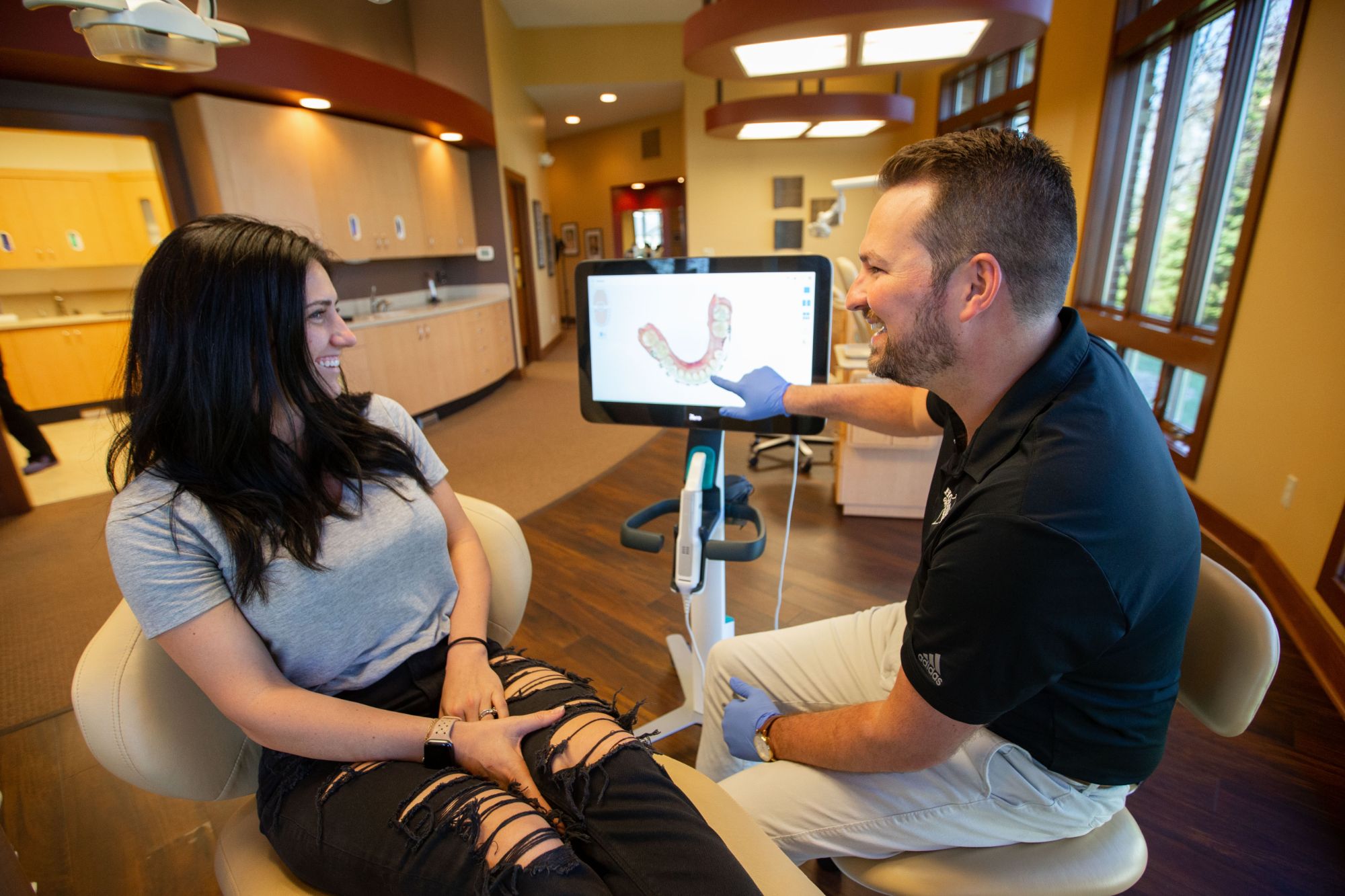
Finding the best orthodontist for your family comes down to three things: specialty training, modern treatment options, and a team that treats you like family. Hoagburg Orthodontics has been creating stunning smiles for 35 years, welcoming families into a warm, family-owned practice that puts you first. Our two-generation legacy began with Dr. Steve Hoagburg and continues today with the sibling team leading every smile transformation.
What Makes the Best Orthodontist a Fit for Your Family?
The right orthodontist combines specialty training, modern technology, and a welcoming environment that fits your family’s needs. Look for a provider who focuses solely on orthodontics, offers treatment for every age under one roof, and builds a customized treatment plan around your goals, lifestyle, and budget.
Not every dentist is an orthodontist. Orthodontists complete extra years of training beyond dental school, and that specialty background matters when you’re choosing someone to care for your smile for the next 12 to 24 months.
Here’s what sets a great family orthodontist apart:
Specialty credentials. Providers like Dr. Brian Hoagburg (DDS, MSD) and Dr. Rachel Hoagburg (DMD, MSD) have completed advanced orthodontic residencies and are active members of the American Association of Orthodontists.
All-ages care. A practice that treats children, teens, and adults means one trusted team for your whole family.
Modern treatment choices. Clear aligners, clear braces, and metal braces should all be options so you can find your perfect fit.
Warm, honest communication. You should feel heard at every visit, not rushed through a checklist.
We treat you like family because we are one, and that principle shapes every decision the team makes with you. The best orthodontist for your household isn’t just skilled clinically, they also earn your trust through honest explanations and a genuine interest in your goals.
How Choosing the Best Orthodontist Works: A Step-by-Step Guide
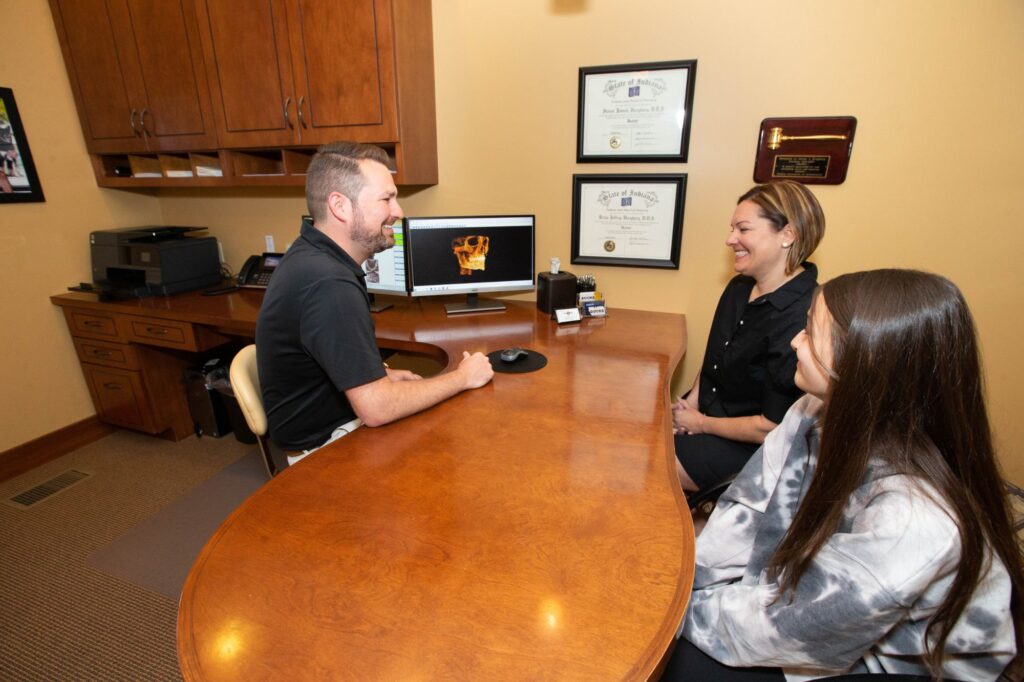
Choosing the right orthodontist starts with a free consult, then moves through treatment planning, technology review, and long-term care discussion. The goal is to make sure you feel confident about the team, the plan, and the results before you commit to anything.
Wondering where to begin? Here’s a simple step-by-step approach families can follow:
Book a free consult. A no-pressure visit lets you meet the orthodontist, tour the office, and see how the team communicates. At your first visit, the free consultation offer] gives you a clear picture of what treatment could look like.
Review your treatment options. Ask which options you’re a candidate for, whether that’s clear aligners, clear braces, or metal braces, and why each might work for your case.
Ask about technology and imaging. Modern practices use and digital scanners to plan treatment with more accuracy and comfort than traditional impressions.
Talk timelines and visits. You’ll want to understand how often you’ll come in (usually every 4-8 weeks), how progress is tracked, and how the team handles urgent questions between visits.
Plan for the long haul. Ask what happens after your braces come off. Programs like the Smile Savers Retainer Club help protect your results for years to come.
A great orthodontist welcomes every question. If a practice feels rushed or vague, that’s your signal to keep looking for the best orthodontist to serve your family.
Key Benefits of Choosing the Right Family Orthodontist
When you choose a family-focused practice, orthodontic care gets simpler and more consistent for everyone under your roof. One team learns your family’s history, schedules, and preferences, which makes every visit smoother.
Here’s what families gain when they pick the right orthodontist:
One practice for every age. Your 8-year-old, your teen, and you can all be seen at the same office, often on the same day.
Early evaluation catches issues sooner. The American Association of Orthodontists recommends a first orthodontic check-up by age 7, when developing issues are easier to guide.
Discreet treatment options. Clear aligners and clear braces let teens and adults transform their smile without feeling self-conscious.
Better oral health. Straight teeth are easier to clean, which supports healthier gums and fewer cavities down the road.
Long-term smile protection. Retainer programs like the Smile Savers Retainer Club keep your results looking great long after active treatment ends.
Families in Huntertown, IN who want one trusted team for every generation find that a family-owned practice removes the hassle of juggling multiple offices. A stunning smile isn’t just about looks. It affects how your family chews, speaks, and feels about themselves every day.
Comparing Orthodontic Treatment Options: Braces vs. Clear Aligners
Which is better for your smile, braces or clear aligners? The answer depends on your case complexity, lifestyle, and personal preferences. Both can transform your smile when guided by a trained orthodontist. Here’s how the main options compare:
Treatment | Best For | Appearance | Removable | Typical Timeline
Metal Braces | Complex cases, all ages | Visible metal brackets | No | 12-24 months
Clear Braces | Discreet look, complex cases | Tooth-colored brackets | No | 12-24 months
Clear Aligners | Mild to moderate cases, self-motivated wearers | Nearly invisible trays | Yes | 12-18 months
Metal braces are the most time-tested option and often the most budget-friendly. They handle even the most challenging bite issues efficiently, and today’s brackets are smaller and more comfortable than ever.
Metal braces work the same way as metal ones but use ceramic brackets that blend in with your natural smile. They’re a favorite for teens and adults who want traditional braces without the traditional look.
Clear aligners are custom-made plastic trays worn about 22 hours a day. You take them out to eat, brush, and floss, which makes oral hygiene easy. They work best when you’re disciplined about wear time.
During your free consult, Dr. Brian or Dr. Rachel will walk you through which option delivers straighter teeth and a healthier bite that fits your smile goals, budget, and daily routine.
What Affects the Cost of Orthodontic Treatment?
Orthodontic cost depends most on your treatment type, case complexity, and how long you’ll wear braces or aligners. Simple cases with metal braces typically cost less than complex cases treated with clear aligners. Many families combine insurance, HSA/FSA funds, and flexible financing to make treatment fit their budget.
Several factors shape your final investment:
Type of treatment. Metal braces are usually the most budget-friendly. Clear braces and clear aligners often cost more because of the materials and lab work involved.
Case complexity. Minor crowding takes less time and fewer appointments than correcting a significant overbite or crossbite.
Treatment length. Longer cases mean more visits and materials, which affects the total cost.
Insurance benefits. Many dental insurance plans include orthodontic coverage for children and, sometimes, adults.
HSA and FSA funds. These pre-tax accounts can be applied toward orthodontic care.
Flexible financing at Hoagburg Orthodontics means treatment fits your family’s budget without stress. Your free consult includes a clear, honest breakdown of costs, so there are no surprises. The team believes cost should never stand between you and the smile you deserve.
Who Is a Candidate for Orthodontic Treatment?
Almost anyone can benefit from orthodontic care, from young children to adults in their 60s and beyond. The right timing depends on your specific bite, tooth alignment, and goals, which is why a personal evaluation matters more than a general age rule.
Here’s a quick look at who typically benefits:
Children (around age 7). A first orthodontic evaluation lets Dr. Brian and Dr. Rachel spot developing issues like crossbites, crowding, or jaw growth concerns before they become complex.
Teens. With most permanent teeth in place, teens are classic candidates for metal braces, clear braces, or clear aligners.
Adults. It’s never too late. Modern clear aligners and clear braces let adults transform their smile discreetly, often in 12 to 18 months.
Anyone with bite concerns. Crowding, gaps, overbites, underbites, and crossbites can all be corrected with the right treatment plan.
Not sure whether now is the right time? A free consult gives you a clear answer without any pressure. Families across Huntertown, IN often discover that the sooner they ask, the more options they have.
Frequently Asked Questions About Choosing an Orthodontist
How do I know if an orthodontist is qualified?
Look for specialty training beyond dental school. Orthodontists complete a 2-3 year residency after earning their dental degree, giving them credentials like MSD (Master of Science in Dentistry) or a certificate in orthodontics. Membership in the American Association of Orthodontists is another strong signal, and both Dr. Brian Hoagburg (DDS, MSD) and Dr. Rachel Hoagburg (DMD, MSD) completed advanced orthodontic residencies.
At what age should my child see an orthodontist?
The American Association of Orthodontists recommends a first orthodontic evaluation by age 7. By this age, enough permanent teeth have come in for an orthodontist to spot developing issues like crowding, crossbites, or jaw growth concerns. Early evaluation doesn’t always mean early treatment, but it gives Dr. Brian and Dr. Rachel the chance to monitor growth and step in at the right moment.
How long does orthodontic treatment take?
Most orthodontic treatment takes 12 to 24 months, depending on your case complexity and how well you follow your orthodontist’s instructions. Simpler cases with mild crowding may finish in under a year, while more involved bite corrections can take longer. Your customized treatment plan will include a clear timeline so you know what to expect.
Are clear aligners as effective as braces?
For many mild to moderate cases, yes. Clear aligners can produce excellent results when worn about 22 hours a day and swapped on schedule. For complex bite issues or significant tooth movement, metal braces or clear braces may be more predictable, and Dr. Brian and Dr. Rachel will recommend the best option for your specific smile goals during your free consult.
Do orthodontists offer free consultations?
Many family-focused orthodontists, including Hoagburg Orthodontics, offer a as your first step. This visit lets you meet the team, review your options, and get a personalized estimate with no obligation.
What happens after braces come off?
Once your braces come off or your final aligner tray is done, you’ll wear retainers to keep your teeth in their new position. Retainers are essential because teeth can shift over time without them. Programs like the Smile Savers Retainer Club at Hoagburg Orthodontics make it easy to replace retainers and protect your smile transformation for years to come.